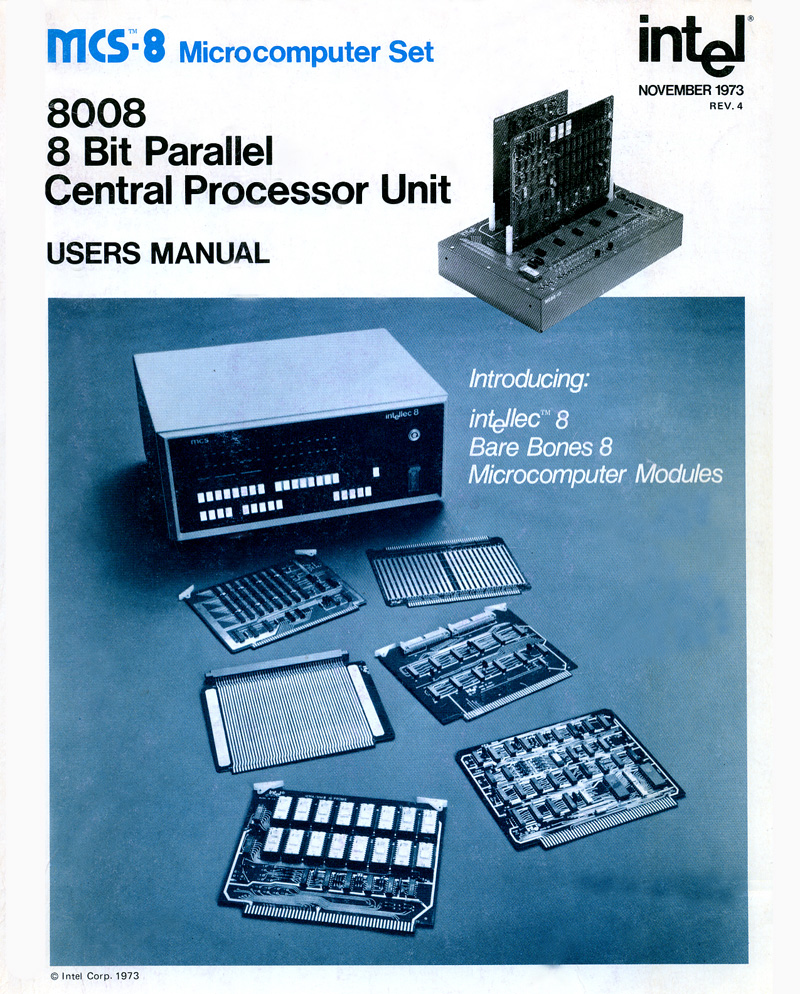
すなわち、IntelのIntellec 8は、Intelが自社のマイクロプロセッサを利用した製品の「マイクロコンピュータ開発システム(Microcomputer Development System: MDS)」として販売していた製品である。その意味でIntellecというコンピュータ製品は、一般消費者向けの消費財ではなく、企業向けの生産財であった。製品開発のためのコンピュータであったことから、その製造台数は限られたものであった。
4004向けがIntellec 4(1973)、4040向けがIntellec 4 Mod 40、8008向けがIntellec 8(1973)、8080向けがIntellec 8 Mod 80(1974)である。Intellec 4と8は、1973年6月にニューヨークで開催された米国コンピューター会議(National Computer Conference)で発表された。
Intellec製品は、アセンブラ、リンカ、デバッガを搭載するとともに、高水準プログラミング言語PL/M(Programming Language for Microcomputers、ゲイリー・キルドールが1972年に設計・開発)のコンパイラ、クロスアセンブラ、シミュレータも用意されていた。またFORTRANコンパイラも利用可能であった。
Computer History Museumに残されたIntel 8008開発者のオーラルヒストリーComputer History Museum (2006)のp.14でも、Hank SmithがIntellec 4/8について「primitive personal computers, if you want to call them that」と発言している。
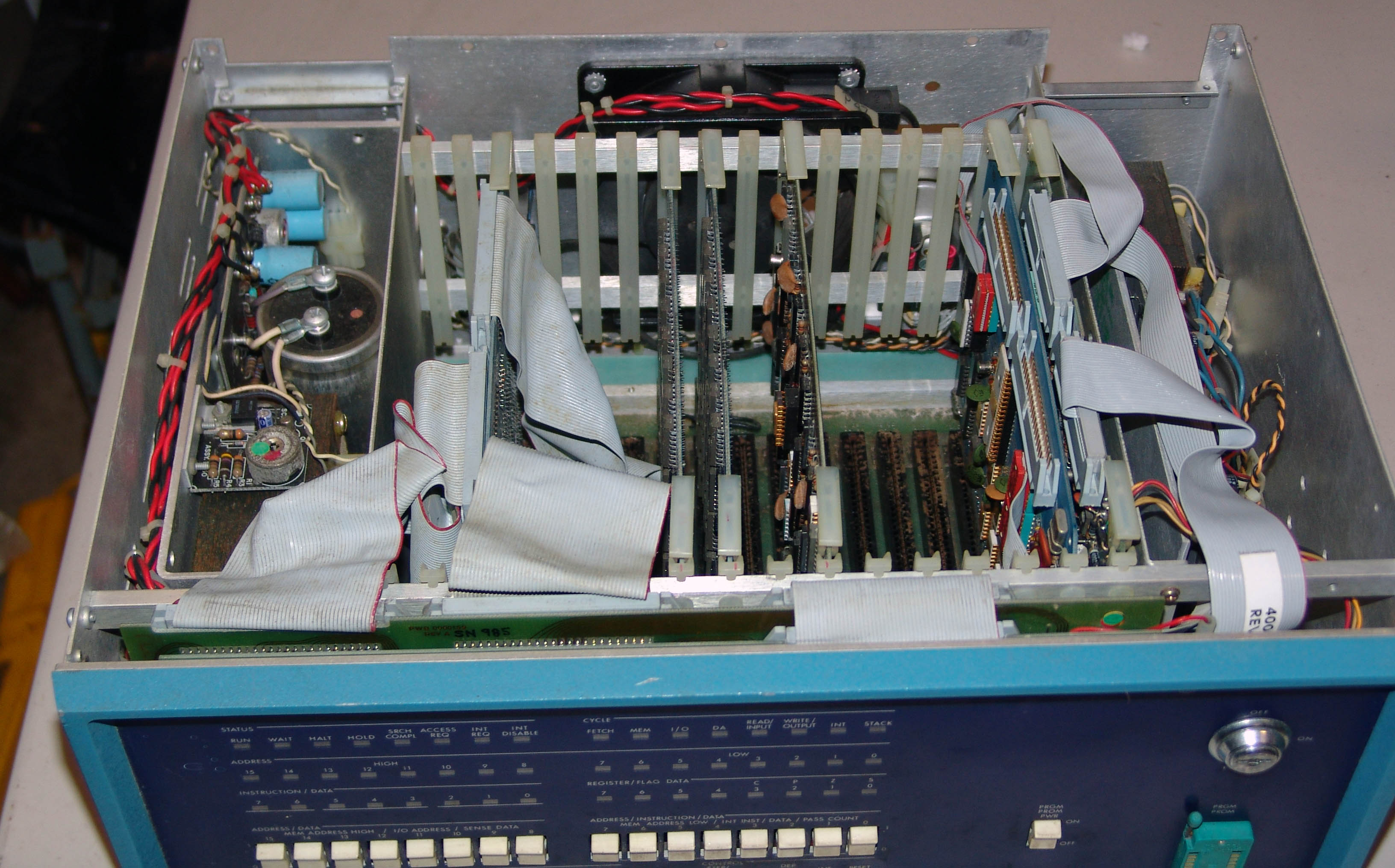
Intellec製品は、本来は製品開発システムという生産財製品であったが、そのハードウェア構成それ自体は後のPCにかなり近いものであった。
本マニュアルの中で、Intellec 8は“eight-bit modular microcomputer development system”であると記されているように、Intellec 8はモジュラー型製品であった。
標準的な構成モジュールに、CPU、RAM、PROM、I/O、PROM Programmer、Universal Prototype Module、Module Extenderなどがある。Module Extenderは、“Standard dual 50-pin configuration for use with all microcomputer modules”である。
こうした意味において、「MITSのAltair8800以前から、モジュール型マイクロコンピュータが存在していた」と言うことができる。
The Intellec 8 is a complete microcomputer development system for MCS-8 microcomputer systems. Its modular design allows the development of any size MCS-8 system, and it has built-in features to make this task easier than it has ever been before.
Intel, Intellec 8/MOD 80 Microcomputer Development System Reference Manual,1974
「Intellec 8がモジュラー型製品である」ことはインテル自らが述べていることでもある。すなわち、このマニュアルの冒頭(p.6)で、下記のように“The INTELLEC 8 is a modular computer system.”と記載されている。
The INTELLEC® 8 is a modular computer system. ・・・ The modular organization of this reference manual intentionally reflects the modularity of the system it describes.
また、プリント基板のコネクターについて“signal and power connections enter the module through a dual 50-pin double-sided PC edge connector”と記されているように、100ピン端子のバスが各モジュールのインターフェースである。
本報告書は、プログラム内蔵型コンピュータに関する最初の詳細な設計(”the first detailed design of a stored-program computer”)を記したものと評価されているが、内容的にそのように判断されるという意味においてであり、本報告書の中にstored-program computerという用語は登場しない。そもそもコンピュータ・プログラムという意味でのprogramという単語そのものが登場しない。
It is evident that if the machine is to do all that is done by the normal human operator it must be provided with the analogues of three things, viz. firstly, the computing paper on which the computer writes down his results and his rough workings; secondly, the instructions as to what processes are to be applied; these the computer will normally carry in his head; thirdly, the function tables used by the computer must be available in appropriate form to the machine.
通常の人間が行うすべての作業を機械に行わせようとすれば、(人間が計算に用いる)次の3つのモノに対応するものを機械に装備させなければならないことは明白である。すなわち、第一に、計算手が計算結果や計算の途中経過を書き留めるための計算用紙に相当するモノ。第二に、どのような手順で計算をするのかに関する指示に相当するモノ(人間の計算手の場合には、計算の手順は、通常、計算する者の頭の中に入れておかれる。)。そして第三に、計算手が用いる関数表に相当するもの。(関数表はは機械が利用可能な適切な形式で利用可能なようにしておかなければならない。)
(1) The speed of the machine is no longer limited by the speed of the human operator.
(2) The human element of fallibility is eliminated, although it may to an extent be replaced by mechanical fallibility.
(3) Very much more complicated processes can be carried out than could easily be dealt with by human labour.
なお(1)の利点である計算速度に関しては、真空管を利用することで、「10桁の数字2つの掛け算を500マイクロ秒で実行することを目標としている。それが実現できれば機械式計算機(歯車式計算機)による場合の2万倍以上の速度で計算ができる。」という趣旨の記載をおこなっている。また「高速な計算を実現するため、この計算機は完全に電子式とする。単位演算(例えば1+1の加算)にかかる時間は1マイクロ秒である。現時点では、これ以上の高速化を目指す設計は賢明ではないと考えられている。(In order to obtain high speeds of calculation the calculator will be entirely electronic. A unit operation (typified by
adding one and one) will take 1 microsecond. It is not thought wise to design for higher speeds than this as yet.)」とも記している。
本報告書[チューリングの自身の報告書のこと]は、提案された計算機についてかなり詳細な説明を提供している。ただし、 J. von Neumannの『EDVACに関する報告書』 と併せて読むことを推奨する。
The present report gives a fairly complete account of the proposed calculator. It is recommended however that it be read in conjunction with J. von Neumann’s ‘Report on the EDVAC’.
A.M. Turing “Proposals for Development in the Mathematics Division of an Automatic Computing Engine (ACE)のテキスト資料
本WEBページによれば、チューリングは、1946年2月19日、イギリスの国立物理研究所の会議にProposals for Development in the Mathematics Division of an Automatic Computing Engine (ACE)[数学部門における自動計算機(略称 ACE)の開発に関する提案]を提出した。
このACEとして知られるマシンは、プログラム内蔵型コンピュータの最初の詳細な設計であった。1か月後に開かれた2回目の会議で、この提案は承認され、チューリングはプロジェクトの費用を11,200ポンドと見積もった。チューリングが設計した完全なACEは結局製造されなかったが、試作機として作られた小型版のパイロット機は製造され、1950年に運用を開始した。
Pilot ACEは、英国で最初に製造された初期の汎用プログラム内蔵型コンピュータの一つである。国立物理研究所(NPL)で製造されたもので、1950年5月10日に最初のプログラムを実行し、1950年11月に報道陣に公開された。同時代のマンチェスターMark 1やEDSACなど、他の英国製コンピュータと並ぶものである。これは、アラン・チューリングが設計した完全版ACEの試作版であるが、残念ながらチューリングは Pilot ACEの製造が完了する前にNPLを去っている。
なお本報告書に関して、アラン・チューリングは1946年にイギリスの国立物理研究所に提出した文書Proposals for Development in the Mathematics Division of an Automatic Computing Engine(ACE)の中で、「本報告書[チューリングの自身の報告書のこと]は、提案された計算機についてかなり詳細な説明を提供している。ただし、 J. von Neumannの「EDVACに関する報告書」 と併せて読むことを推奨する」(The present report gives a fairly complete account of the proposed calculator. It is recommended however that it be read in conjunction with J. von Neumann’s ‘Report on the EDVAC’)と記載するなど、ノイマンの第一世代のデジタル式電子計算機技術者に与えた影響は極めて大きい。
ノイマンの本報告書の意義に関して、「アラン・チューリングはACEコンピュータに関する提案レポートの中で汎用デジタルコンピュータの性質と設計を理解するための決定的な資料としてノイマンの『EDVACに関する報告書』を引用している」(“Most prominently, Alan Turing cites it, in his proposal for the Pilot ACE, as the definitive source for understanding the nature and design of a general-purpose digital computer.” Michael D. Godfrey(1193)IEEE Annals of the History of Computing, Vol.15, No.4, pp.27)という評価がなされたりするが、直接的にそのことを裏付けるような文言は存在しないように筆者には思われる。チューリングの本報告書の中でノイマンの名前が挙がっているのは3カ所のみであるだけでなく、そうした評価に関わる文言としては上記のような文章が「はじめに」の箇所の最後にあるだけである。
ノイマンは本報告書の考察の対象を、「超高速自動デジタル計算システムの構造、特にその論理制御についての考察」(The considerations which follow deal with the structure of a very high speed automatic digital computing system, and in particular with its logical control.)[報告書 「1.0 定義」の箇所]としている。
そして自動計算システム(automatic computing system)に対する命令(instructions)について、プログラムによる処理の自動性を強調して下記のように記載している。
これらの命令は、装置が感知できる何らかの形式で与えられなければなりません。パンチカードシステムへのパンチ、テレタイプテープへの記録、スチールテープやワイヤーへの磁気記録、映画フィルムへの写真記録、固定式または交換式プラグボードへの配線(wired into one or more, fixed or exchangeable plugboards)など、このリストは必ずしも完全なものではありません。これらの手順はすべて、検討対象の問題の論理的および代数的定義、ならびに必要な数値データを表現するために、何らかのコードを使用する必要があります。
これらの命令が装置に与えられると、装置は、それ以上の人間の知的な介入を必要とせずに、それらを完全に実行できなければなりません。必要な操作の最後に、装置は結果を上記のいずれかの形式で記録する必要があります。
超高速の計算装置には、理想的には真空管素子が用いられるべきであることは明らかです。カウンタやスケーラといった真空管を用いた装置は、1マイクロ秒(10⁻⁶秒)という極めて短い反応時間(シナプス遅延に相当)においても高い信頼性を示しており、この性能に匹敵しうる装置は他に存在しません。実際、純粋な機械式装置は全く考慮の対象外ですし、実用的な電信リレーの反応時間も10ミリ秒(10⁻²秒)あるいはそれ以上を要します。興味深いことに、ヒトのニューロンにおけるシナプス伝達時間は1ミリ秒(10⁻³秒)のオーダーにあります。
4.3 It is clear that a very high speed computing device should ideally have vacuum tube elements. Vacuum tube aggregates like counters and scalers have been used and found reliable at reaction times (synaptic delays) as short as a microsecond (= 106 seconds), this is a performance which no other device can approximate. Indeed: Purely mechanical devices may be entirely disregarded and practical telegraph relay reaction times are of the order of 10 milliseconds (= 102 seconds) or more. It is interesting to note that the synaptic time of a human neuron is of the order of a millisecond(= 103 seconds).
■本報告書von Neumann, J. (1945) “First Draft of a Report on the EDVAC”. University of Pennsylvania, Moore School, 30 June 1945. (101 pp.)のPDFファイル■
H.H.ゴールドスタイン(1979)『計算機の歴史』共立出版、pp.293-294において、3者共同論文[Burks, A. W., Goldstine,H.H., von Neumann, J. “Preliminary Discussion of the Logical Design of an Electronic Computing Instrument”]および2者共同論文[Goldstine and von Neumann(1947-1948) “Planning and Coding Problems for an Electronic Computing Instrument”]に関して次のように記載している。
Burks, A. W., Goldstine,H.H., von Neumann, J.(1946) “Preliminary Discussion of the Logical Design of an Electronic Computing Instrument,” Part I, Volume I, 28 June 1946
「フォン・ノイマン以来、計算機の構成において真に新しいものは何もない」という言葉を耳にすることは少なくありません。実際、1946年にバークス、ゴールドスタイン、フォン・ノイマンが提案した計算機と、今日使用されている計算機との間で、論理設計上の重要な違いを10数個挙げることさえ困難でしょう。(中略)プログラム内蔵方式を考案したのは誰でしょうか?誰がその功績を認められるかということは、当事者以外にとってはそれほど重要ではないかもしれません。重要なのは、我々がその概念を手にしているということであり、それは人類の進歩における偉大な金字塔の一つとして、今後も揺るぎなく位置づけられるでしょう。(中略)有力な候補として挙げられるのは、ここに再録された論文の著者たちと、J・プレスパー・エッカートおよびジョン・モークリーが率いたペンシルベニア大学のグループです。もちろん他にも貢献者はおり、その筆頭に挙げられるのがバベッジですが、彼はニーズも技術も存在しなかった時代に生きていました。誰にその栄誉が帰すべきものなのか、私には断言できません。 それにもかかわらず、ここに再録された論文は、コンピュータ分野における決定的な論文である。この論文は、プログラム内蔵型コンピュータの設計を詳細に規定しているだけでなく、多くの厄介な問題を予見し、独創的な解決策を提示している。(One frequently hears “There’s been nothing really new in machine organization since von Neumann!” Indeed, one would be hard pressed to name a dozen significant differences in logical design between the machine proposed by Burks, Goldstine and von Neumann in 1946 and the machines in use today.・・・Who invented stored programming? Perhaps it doesn’t matter much to anyone other than to the· principals involved just who gets the credit-we have the concept and it will sorely stand as one of the great milestones in man’s advances.・・・The leading contenders are the authors of the paper reprinted here and the group at the University of Pennsylvania led by J. Presper Eckert and John Mauchly. Others undoubtedly contributed, not the least of whom was Babbage, who lived at a time when neither the need nor the technology were present. I do not pretend to know to whom the honor belongs. Nevertheless, the paper reprinted here is the definitive paper in the computer field. Not only does it specify the design of a stored program computer in detail, but it anticipates m~ny knotty problems and suggests ingenious solutions.)
ノイマン型計算機.プログラムをデータと同様にビット列で表わして記憶装置に入れておき,逐次制御カウンター(sequence control counter)の指示に従ってプログラムの命令を次々に実行する方式(プログラム内蔵方式,stored program computer)の電子計算機.最初の電子計算機ENIACではプログラムに配線盤方式を使っていたが,これでは新しくプログラムを配線するにも,配線を変更するのにも大変であった.フォン・ノイマンはプログラムを数値に直してデータの記憶装置に入れ,またデータとしてプログラムの命令を読み出してはそれを解釈,実行する配線盤を作ってプログラム内蔵方式を実験した.この考えに沿って作られた最初の計算機は,ケンブリッジ大学のEDSAC(1947)である.その後の計算機はすべてプログラム内蔵方式でフォン・ノイマン型計算機という.
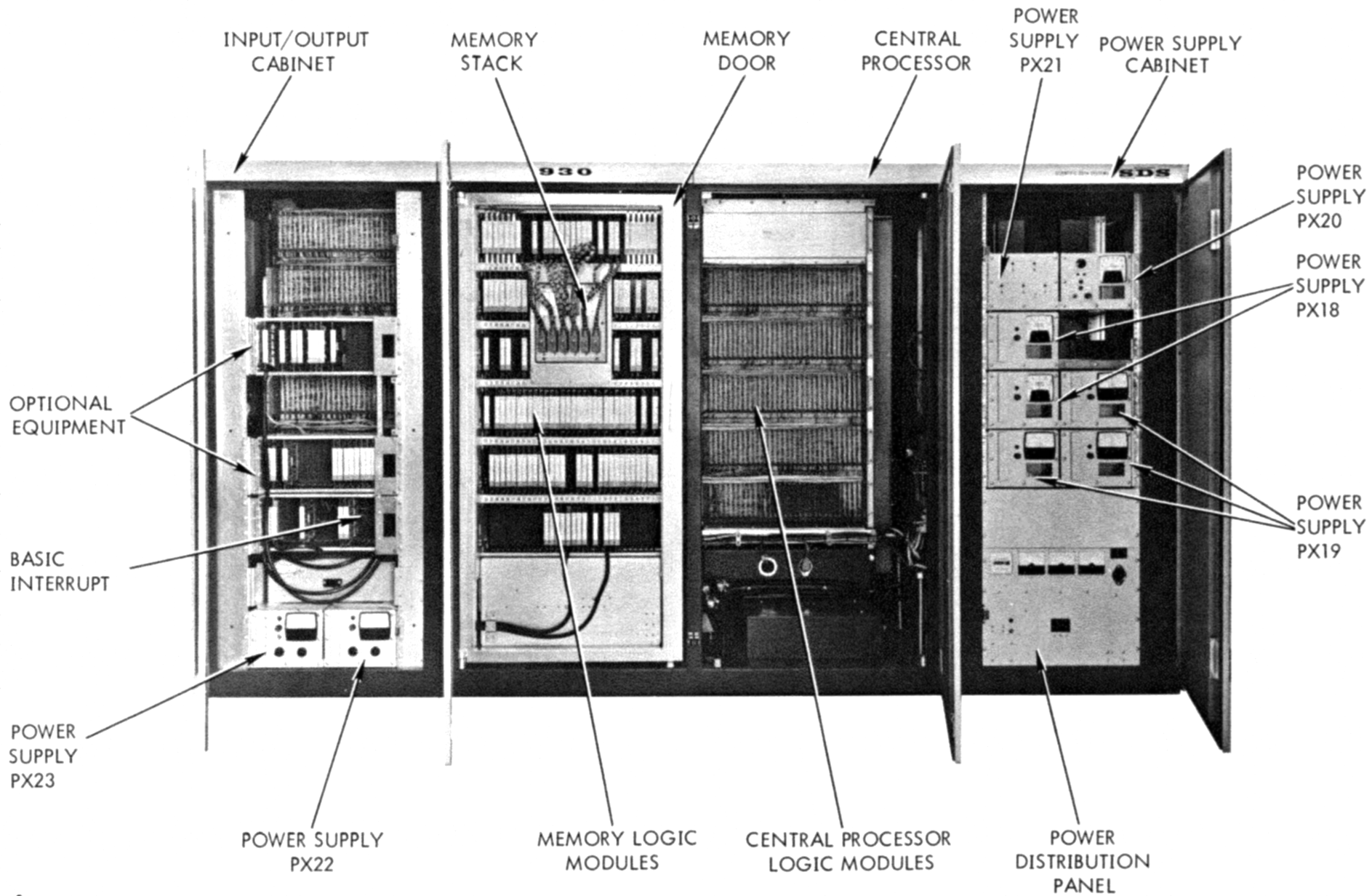
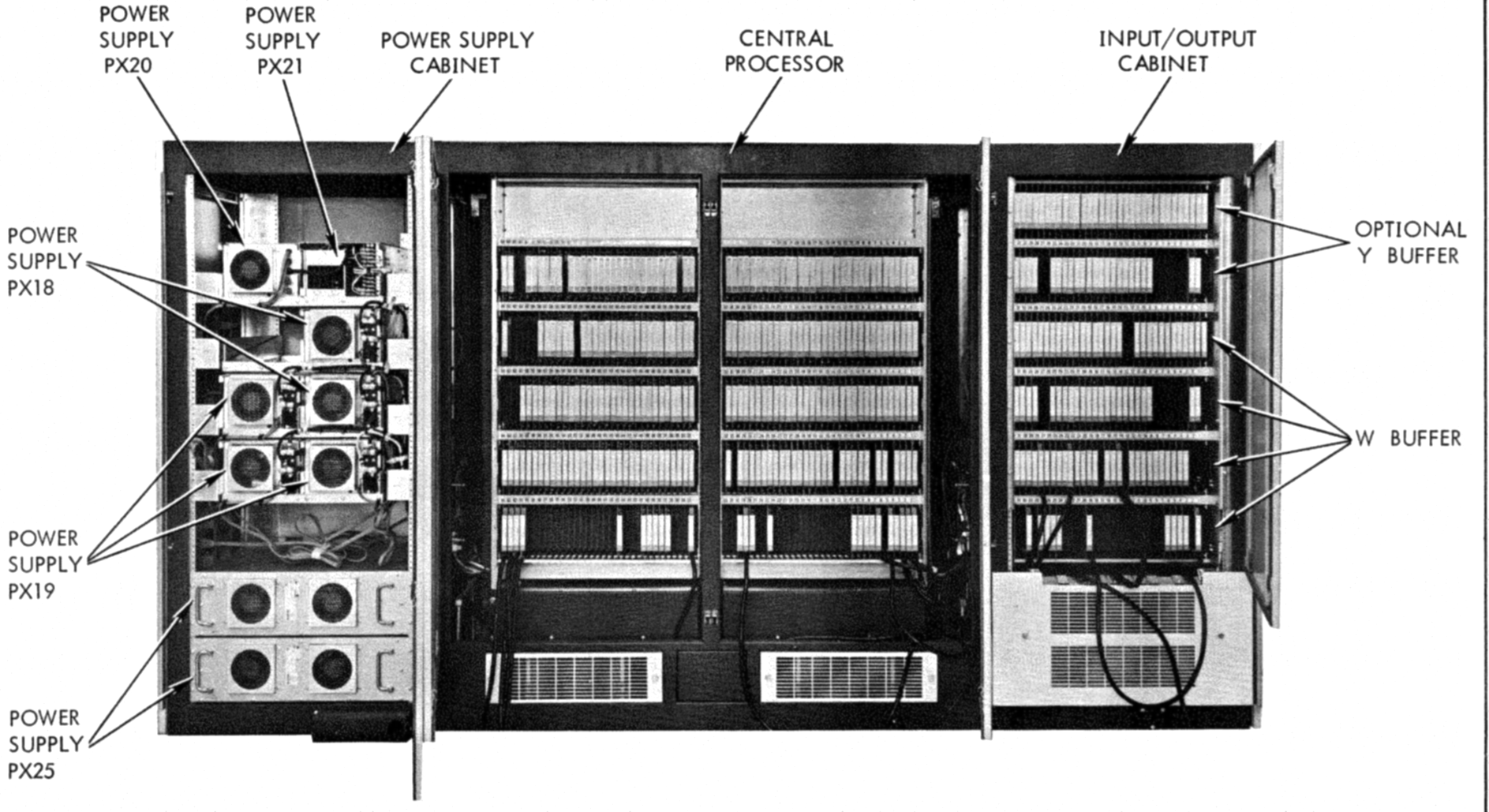
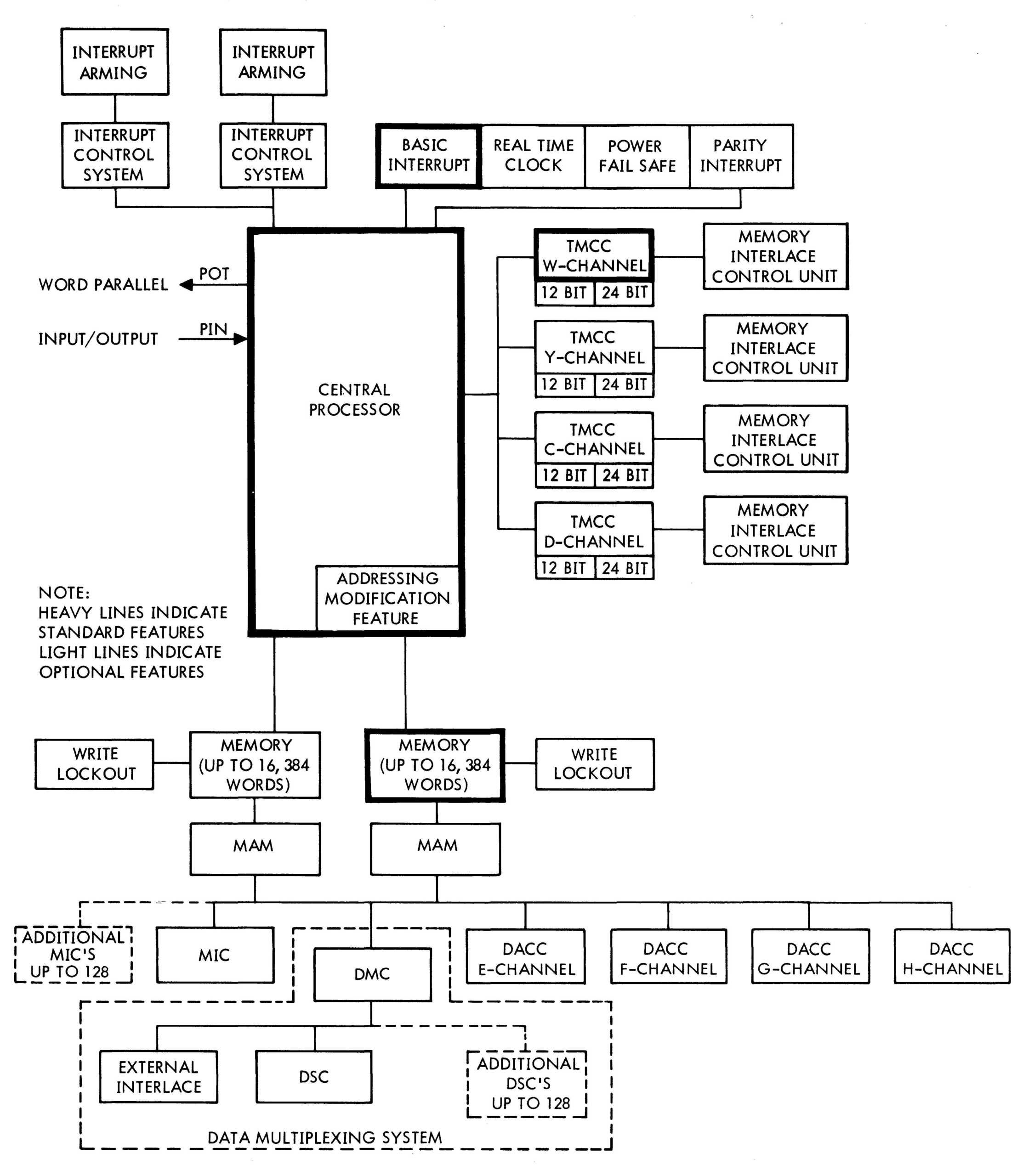
The 930 Computer is a general-purpose, solid-state, digital computer designed for scientific and engineering computation and real-time applications. It is compatible with all SDS 900 series computers, peripheral units, and system components.
Atanasoff, J. V., “Computing Machine for the Solution of Large Systems of Linear Algebraic Equations,” in B. Randell, ed., The Origins of Digital Computers, Selected Papers, New York, Springer-Verlag, New York, 1973, Chapter 7.2.
Atanasoff, John Vincent, “Advent of Electronic Digital Computing,” Ann. Hist. Comp., Vol. 6, No. 3, July 1984, pp. 229-282.
Clifford Edward Berryによる論文
Berry, Clifford E., Doyle E. Wilcox, Sibyl M. Rock, and H.W. Washburn, “A Computer for Solving Linear Simultaneous Equations,” J. of Applied Physics, Vol. 17, No. 4, April 1946, pp. 262-272.
ベル研究所の技報であるThe Bell System Technical Journalの内容のキーワード検索サービス。残念なことに、本文はみることができないが、アブストラクトは見ることができる。ベル研究所(Bell Laboratories)はもともとはベルシステム(AT&Tの研究開発部門として1925年に設立された研究所であるが、2016年にノキアの子会社となった。
なお、”time-sharing system”でキーワード検索すると、24件がヒットするが、それらすべての資料のタイトルに”UNIX Time-Sharing System”という語句が含まれている。
「フロッピーROM」(Floppy ROM)とは、ソノシートにカンサスシティスタンダード(Kansas City standard、KCS)方式で情報を音として記録したものである。雑誌の付録などとしてプログラムを配布するには、カセットテープが不向きであったことから、雑誌に綴じ込み可能な薄さで安価なソノシートが選択された。
雑誌綴じ込みの最初の「Floppy ROM」は、Interface Age 1977年5月号に収められたもの[下記写真参照]である。また日本では、『ASCII』第3号(1977年9月号)に付録としてついていたフロッピーROMが日本最初のものと思われる。なお同付録の告知「BASICソノシートが付きます」は、『ASCII』第3号(1977年8月号)における「編集室から」のコーナーのp.3に掲載されている。
フロッピーROMに関する詳細な解説記事、および、4K BASICプログラムのダンプリスト(16進表記によるリスト)。フロッピーROMの表面および裏面( 収納ジャケットの裏面?)のスキャン画像も収録されている。
なお小見出しは下記の通りである。
WHY “PLATTER BASIC” ON A FLOPPY-ROM “?
Why a floppyROM” or platter?”
WHAT’S ON THE RECORD?
WHAT WILL I NEED TO USE THE RECORD?
HOW WAS THE PLATTER MADE?
WHAT IS THE “KANSAS CITY STANDARD?”
HOW DOES IT WORK?
HOW DO I HOOK UP A TURNTABLE?
WHAT ARE THE WEIRD SIGNALS AT THE START OF THE RECORD?
HOW DO I LOAD THE PROGRAM?
WHICH MACHINES CAN USE 4K BASIC?
Computers and Automationに掲載されたデータ記事を、1962年4月から1974年まで集めたPDF。最初のページは、Computers and Automationの1962年4月号に掲載された”Digital Computer Census”というタイトルの記事であり、1961年末時点までにアメリカで製造されたコンピュータに関する数値データである。
Computers and Automation(のちのComputers and People)は、1950年に創刊された世界初のコンピュータ専門誌であり、1972年まで引き続き発行された。(“A magazine on computers and related topics first published between 1950 and 1972, was published by Edmund Berkeley and hosted the first computer art competition in 1963.”)アメリカの科学者・作家であるエドモンド・バークリー(Edmund C. Berkeley)によって発行され、初期のコンピュータ科学やサイバネティクス、コンピュータアートの普及に大きな役割を果たした、とされる。
Adamson, Steven et al. (1993; 1995). Advanced Satellite Communications : Potential Markets (Advanced Computing and Telecommunications Series), Noyes Data Corporation.
ソフトウェア産業に関する論考であるが、下記のように、メインフレーム、ミニコンピュータ、PCに関する米国内出荷台数の歴史的推移(Domestic Mainframe and Minicomputer Shipments by Number and Value 1960-1990などの数表も付録として含まれている。
Table 1. Phister and CBEMA Estimates of U.S. Domestic Mainframe and Minicomputer Shipments by Number and Value 1960-1990
Table 2. CBEMA Estimates of U.S. Domestic Software and Service Revenues 1965-1988($million)
Table 3. Packaged Software and Computer Systems:The Datamation 1977 Survey of Computer Software
Table 4. Independent Software and Service Companies–1980
Table 5. Software and Service Companies–1991
Table 6. Software and Service Revenues of Major Computer Manufacturers 1981 and 1991
Table 7. U.S. Based Company Computer Industry Shipments by Value and Number 1980-1990
[引用元] Martin Campbell-Kelly, Daniel D. Garcia-Swartz(2008) “Economic Perspectives on the History of the Computer Time-Sharing Industry, 1965–1985” IEEE Annals of the History of Computing, 30(1), p.18
https://muse.jhu.edu/pub/87/article/235244/pdf”>https://muse.jhu.edu/pub/87/article/235244/pdf
[原出所] Phister, Data Processing, Table II.1.21, p. 251.
p.17において、smaller computers (later called ‘‘Mini’’systems)と記載されているのみで、詳細な規定は不明。 [参考]上記数表のエクセルファイル
注2 点接触型トランジスタを演算素子として利用した日本最初のトランジスタ式電子計算機ETL Mark III(1956)の開発に携わった高橋茂は、「困ったのが点接触型トランジスタの劣化でした。・・・昨日取り替えたばかりのトランジスタがもう故障だなどということもしばしば」(高橋茂,1996,p.13)であったと当時の点接触型トランジスタの信頼度の低さを証言している。また真空管の信頼度の低さに関しては、高橋秀俊が真空管式電子計算機に関して真空管を「毎朝テストして、何本か不良品を取り替えるというのが常識だった」(高橋秀俊,1979,p.143)と証言している。
L. P. Deutch and B. W. Lampson (1965) “SDS 930 Time-sharing System Preliminary Reference Manual,” Doc. 30.10.10, Project Genie, Univ. Cal. at Berkeley .
本論文では、タイトルにあるように、UNIXをTSS(Time Sharing System)の一種として位置づけている。アブストラクトの冒頭でも、”UNIX is a generalpurpose,interactive timesharing operating system for the DEC PDP11 and Interdata 8/32 computers. Since it became operational in 1971, it has become quite widely used.”というように、timesharing operating systemであると明確に記している。
UNIX is a general-purpose, multi-user, interactive operating system for the Digital Equipment Corporation PDP-11/40 and 11/45 computers. It offers a number of features seldom found even in larger operating systems, including: (1) a hierarchical file system incorporating demountable volumes; (2) compatible file, device, and inter-process I/O; (3) the ability to initiate asynchronous processes; (4) system command language selectable on a per-user basis; and (5) over 100 subsystems including a dozen languages. This paper discusses the nature and implementation of the file system and of the user command interface.
1978年のBell System Technical Journalの特集号「UNIX Time-Sharing System」の序文。
本序文においても、”The growth and flowering of UNIX as a highly effective and reliable time-sharing system are detailed in the prizewinning ACM paper by Ritchie and Thompson that has been updated for this volume.”というように、UNIXがtime-sharing systemとして位置づけられている。この序文は、当時のBell研究所においてもUNIXがタイムシェアリング・システムとして理解されていたことを示唆するものと言えよう。
A. Cantarell and M. G. (editors), Historia de la Computación en México: Una Industria en Desarrollo, Volumen I. Mexico: Hobbiton Ediciones, January 2000
スペイン語の原論文 Daniel Ortiz Arroyo, Francisco Rodríguez Henríquez, Carlos A. Coello Coello “Computadoras Mexicanas: Una Breve Reseña Técnica e Histórica” の英訳。pp.23-25に34点の文献注あり。
メキシコにおける最初のデジタルコンピュータの利用は、1958年6月8日で、National Autonomous University of Mexico (UNAM)がIBM 650を導入している。
Martin,Ernst. (1992) The Calculating Machines (Die Rechenmaschinen): Their History and Development. Translated and edited by P. A. Kidwell and M. R. Williams. MIT Press.
電卓関連特許
Jack S. Kilby, Jerry D. Merryman, and James H. Van Tassel. 1974. “Miniature Electronic Calculator”. U. S. Patent 3,819,921, 25 June 1974
書籍および論文
Volder,Jack (1959) “The CORDIC Trigonometric Computing Technique”. IRE Transactions on Electronic Computers, vol. EC-8, 1959, pp. 330-334
Swartzlander,Earl.(2002) “Calculating Machines”. in Atsushi Akera and Frederik Nebeker, eds., From 0 to 1: An Authoritative History of Modern Computing.Oxford University Press, pp.51-62
Flamm,Bruce (1998) “An Early Electronic Calculator, the Friden EC-130”. IEEE Annals of the History of Computing, vol. 20, no.3, pp.72-73
House,Chuck. (1988) “Hewlett-Packard and Personal Computing Systems”. in Adele Goldberg, ed., A History of Personal Workstations. ACM Press, pp.403-406
Ball,Guy, Flamm,Bruce. (1997) The Complete Collector’s Guide to Pocket Calculators. Wilson/Barnett Publishing, pp. 10-15
PDF版のアニュアルレポートに収録されている”Message From the President and CEO”には下記の記述があるが、”We have shipped over 50 million Zip drives and over 300 million”という記載は2002アニュアルレポートの記載と矛盾する。
Zip Products
Iomega’s Zip products have been our dominant contributor to revenue and profits since their introduction nine years ago. We have shipped over 50 million Zip drives and over 300 million Zip disks during this time. Zip products have enjoyed a tremendous record of success and a remarkably long life cycle for the technology industry. Although Iomega has regularly improved Zip performance and capacity for its customers in government, education, and in the broader business market, the mature Zip platform is reaching the end of its life cycle. As such, in 2003, Zip products continued to lose ground to optical drives, external hard drives, flash drives and other storage alternatives. Despite this, the Zip product line continues to generate positive cash flow to fund our other initiatives and it is expected to remain profitable through 2004 and potentially beyond.
“In other efforts to replace the declining Zip business, the Company has developed and launched a variety of products, none of which were commercially successful. In addition, the Company has launched and attempted to expand its Sourced Branded and NSS businesses. During 2004, for the first time, sales of the Sourced Branded business segment exceeded Zip product sales. However, the Company’s Sourced Branded segment does not generate high gross margins and the segment has never been profitable for an entire year. Moreover, the NSS business has also incurred losses each year.
Thus, the Zip product segment remains the Company’s only consistently profitable segment. In light of the inevitable decline of the Zip business, the Company will not be viable unless it generates significant PPM from products other than Zip products. REV products currently represent the Company’s most realistic opportunity to develop a significant PPM stream which could at least partially offset the rapidly-declining Zip PPM. Management expects to continue to invest significant resources with the goal to increase REV product sales. It is unlikely that the Company will be able to operate profitably unless and until REV products generate significant positive PPM. However, the Company can provide no assurance that the REV business will generate PPM sufficient to offset declining Zip PPM.” https://www.sec.gov/Archives/edgar/data/352789/000119312505052427/d10k.htm#tx98116_7
Heide,Lars.(2009) Punched-Card Systems and the Early Information Explosion. Johns Hopkins University Press.
Austrian,Geoffrey. (1982) Herman Hollerith: Forgotten Giant of Information Processing. Columbia University Press.
パンチカード関連特許
Herman Hollerith. 1884. Art of Compiling Statistics. U.S. Patent 395,782, filed 23 September 1884 and granted 8 January 1889.
Herman Hollerith. 1914. Automatic Control for Tabulating Machines. U.S. Patent 1,830,699, filed 11 March 1914 and granted 3 November 1931. Automatic group control described in this patent was a facility to control the generation of sub and grand totals. It is the earliest example of conditional programming of a punched card machine, a facility subsequently essential for stored-program computers.
Flores, et al. “Magnetic Record Disk Cover” U.S. Patent 3,668,658 (Filed: December 22, 1969 Issued: June 6, 1972)
Dalziel, et al. “Data Storage Apparatus Employing a Single Magnetic Disk” U.S. Patent 3,678,481 (Filed: March 13, 1970 Issued: July 18, 1972)
歯車式計算機の実用化・量産化が進んだのは19世紀である。フランスのコルマー(Charles Xavier Thomas de Colmar、1785-1870)がアリスモメーターという計算機を発明し、1820年に特許を取得している。コルマールは保険会社の社長であった。保険会社は、顧客ごとのリスクに応じた適切な保険料の設定などで大量の数値計算業務を抱えていた。そこでコルマールは業務に役立てようと自ら計算機を開発したのである。
コルマールの計算機は、ライプニッツの計算機と同じく段付き歯車を利用したタイプのものであったが、8桁の数字どうしの掛け算を18秒で、16桁の数字を8桁の数字で割るのを24秒で、16桁の数字の平方根を求めるのを1分15秒でできた。
コルマールの計算機は、1825年から65年までの40年間に約500台、1865年から1878年までの13年間に約1,000台が売れるなど、商業的に最初に成功した最初の実用機であり、第一次世界大戦期の1915年頃までに約5,500台が製造された。1880年代末から模倣品(クローン)を製造する企業が多数登場しはじめ、最終的には20社にのぼる企業が模倣品を製造するほど、コルマール式計算機は社会的に普及した。
そのため、コルマール以降に新しく発明された技術的構造が異なる歯車式計算機もアリスモメーターの名称で呼ばれた。例えば、段付き歯車を採用したコルマールとは異なり、ピン歯車を採用したオドネルの計算機もアリスモメーターと一般には呼ばれている。日本最初期の歯車式計算機であり、技術的構造がまったく異なる計算機である矢頭良一の自働算盤の商品名も、「パテント・ヤズ・アリスモメトール」(Patent Yazu Arithmometer)であった。
バークリーは、Association for Computing Machinery(ACM) の創設者の一人で、ACMの初代secretaryを努めている。彼は、Computer and People (旧名: Computers and Automation)誌の編集者兼発行人を1949年から務めるともに、コンピュータおよび数学に関する16冊の本を書いている[注1]。
バークリーは、City College of New Yorkでthe fall term 1951-1952に”Digital Computers and Techniques”というタイトルの授業をおこなうなど、コンピュータ分野に強い興味・関心を持った人々を対象としたコンピュータ教育や普及活動をおこなうとともに、コンピュータによって第二の産業革命(”Second Industrial Revolution” [Berkeley, E.C. (1956) Tyniacs, p.4)が生じるといったコンピュータ革命論などの主張により、1950年代にコンピュータの社会的普及に寄与した人物である。
図1 Radio-Electronics 1950年10月表紙におけるロボットSquee
図2 Scientific American 1950年11月表紙における組立済みSimon
[注1] Adams, J. (1988) “Obiruary,” Communication of the ACM, 31(6),p.781
[注2] Berkeley, E.C. and Robert A Jensen (1952) Construction plans for Simonなどの著作物として、Simonというコンピュータの製作プランが販売されている。Berkeley, E.C. (1959, 1961) Brainiacs, p.2,p.230の記述によれば、そうした製作プランは400セット以上売れた、と言われている。Simonは電磁リレーを130個ほど使うなど[Berkeley, E.C. and Robert A Jensen(1952) Construction plans for Simon, E.C. Berkeley and Associatesの中のMemorandum 9 “Parts List for Simon as of June,1950”では131個となっているが、Simonの版によってその数は異なる]、コンピューター教育用キットとしては多少複雑で高価であったため、それほど数多く売れたわけではない。
f.Berkeley, E.C. (1966) A Guide to Mathematics for the Intelligent Nonmathematician, Simon and Schuster, 352pp
g.Berkeley, E.C. (1967) Computer-assisted Explanation: A Guide to Explaining: and some ways of using a computer to assist in clear explanation, Information International
h.Berkeley, E.C. (1973) Ride the East Wind; Parables of Yesterday and Today, Quadrangle
i.Berkeley, E.C.(1984) The Computer Book of Lists and First Computer Almanack, Reston Publishing, 155pp
http://history-computer.com/Library/SmallRobots.pdf
Berkeleyが”small robots”と呼んでいるSimon、Squee、Relay Moe、Franken、Magdum、Sylvania Message Display Robot、Four Hundred Year Calendar Machine、George the Gogetter、Marbellina、Divorce Mill with Bigamy Alarm、Electric Shovel、Gantry Crane、Switch Tit Tat Toe Machine、Fox, Hen, Corn and Hired Man Machineといった各種キットについて、機能やcostについて簡潔な解説がなされている。
またこれらの”small robots”に加えて、Geniac kit ($17.95)とTyniac electric brain construction kit ($9.95)という低価格のelectric brain construction kitが二つ紹介されている。
現代のCPUには、「整数演算」専用ALU装置と「浮動小数点演算」専用ALU装置=FPU(Floating Point Unit)が統合されていることが多い。ただしコストの関係で、浮動小数点演算専用ALU装置はさほど多くは搭載されてはいない。
これに対してGPUには、大量の「浮動小数点演算」専用ALUが搭載されている。
機械学習やグラフィックス処理ではテンソル計算を大量に処理する必要があるため、「浮動小数点」演算に強いGPUが利用される。
Rose, F.(1989) West of Eden: The End of Innocence at Apple Computer, Viking,p.74
“In the latter part of 1982, in the wake of the Estridge episode, Jobs and Markkula had decided that Apple was actually a consumer-products company, not a technology enterprise, and that they didn’t really want a technologist at all.”
“We decided to go after small business owners who could use a spreadsheet, and designed a computer especially for them, the Apple III. With IBM nipping at our heels, every project and ad for three years was for the Apple III and not for the largest- selling computer worldwide, the Apple II.〃 Steve Wozniak(Newsweek, February 79,1996)
(Linzmayer,2004,15)
Linzmayer, Owen W. (2004) Apple Confidential 2.0:The Definitive History of the WoricTs Most Colorful Company, No Starch Press
As early as 1971, Paul and I had talked about the microprocessor. And it was really his insight that because of semi-conductor improvements, things would just keep getting better. I said to him, “Oh, exponential phenomena is pretty rare, pretty dramatic. Are you serious about this? Because this means, in effect, we can think of computing as free.” It is a gross exaggeration, but it is probably the easiest way to understand what it means to cut cost like that. And Paul was quite convinced of that. So I would sort of say to Paul, “Well, you know what that means?” And he’d say, “Yeah, that is what it means.” It is kind of fun to know this, and think, gosh, how are companies going to react, how are they going to respond to something that phenomenal? The early days were very slow moving, though. By the time I went to Harvard, all there was was the 8008 chip. And the 8080 was just coming out, which was the first good general purpose microprocessor chip that Intel was coming out with.
Martin, M. (2021) “Computer and Internet Use in the United States: 2018” American Community Survey Reports, April 2021, p.3
https://www.census.gov/library/publications/2021/acs/acs-49.html
https://www.census.gov/content/dam/Census/library/publications/2021/acs/acs-49.pdf
上記のグラフでは、コンピュータの家庭世帯普及率のデータは、Current Population Survey (CPS)による1984-2017、および、American Community Survey (ACS)による2013-2018の2種類が、
インターネットのサブスクリプション契約の家庭世帯普及率のデータは、Current Population Survey (CPS)による1997-2017、および、American Community Survey (ACS)による2013-2018の2種類が描かれている。
[引用元] International competitiveness in electronics, University of Michigan Library,p.149のTable 38.-Major U.S. Manufacturers Ranked by 1982 Worldwide Microcomputer Sales
[原出典]
1979年 ”The Datamation 100,” Datamation, June 1980, p 87
1932年 Archbold,P. (1983) “The Datamation 100 Welcome to the Club,” Datamation, June 1983, p.87

 Google-Gemini-Turing_Report_on_ACE